
Navigating the world of tax-fast investments can feel like wading through a swamp. You know taxes are inevitable, but who wants to pay more than necessary? That’s the real question.
I’m right there with you, thinking about how to make each dollar count without Uncle Sam taking a big slice.
If you’re like most people, you’re wondering how to get the most out of your investments without drowning in paperwork or jargon. this article comes in. We aren’t just guessing here. We’ve consulted financial experts (real ones, not the ones who talk in circles) to give you clear, actionable takeaways.
You’ll learn how to keep more of your hard-earned money by making smarter investment choices. This isn’t just theory. It’s about real-world strategies you can apply today.
By the end of this read, you’ll have practical steps to improve your portfolio and maximize returns. Let’s make your money work harder for you.
The Power of Tax Efficiency: Bigger Than You Think
Tax-fast investments are like a legal cheat code. These are accounts blessed by Uncle Sam to reduce or delay taxes on your investment growth. Sounds good, right?
Let’s break it down. Imagine you invest $10,000, and it grows at 7% for 20 years. In a regular taxable account, your final amount gets sliced by taxes every year.
You know the feeling. That slow leak from your wallet. But in a tax-advantaged account?
Boom. Your money grows untouched until you decide to withdraw it.
These accounts offer three main types of tax advantages. Tax-deductible contributions let you pay less tax now. Tax-deferred growth means you delay taxes until withdrawal (a sweet deal for retirement planning). And tax-free withdrawals?
That’s when you never pay tax on growth.
Think of it as more than just a loophole. It’s a strategic tool to save for life goals like retirement or healthcare. Not sure where to start?
Check out how set realistic financial goals for some guidance.
In the end, it’s not just about stashing cash. It’s about making your money work smarter, not harder.
Building Your Foundation: Tax-Advantaged Retirement Accounts
Let’s cut straight to the point: planning for retirement is like laying down the cornerstone of your financial future. You can’t just wing it. In fact, I’d say nailing down the right retirement accounts sets you up for a stable, stress-free future.
Why? Well, let’s talk about the 401(k) and 403(b) plans. These are employer-sponsored heroes.
They let you save money directly from your paycheck. It’s almost magical. And the kicker?
Employer match. It’s like getting free money. Who doesn’t love that?
You contribute; they contribute (everybody) wins.
Now, what’s the difference between a Traditional 401(k) and a Roth 401(k)? It’s like choosing between a tax deduction now or tax-free withdrawals later. Traditional means you reduce your taxable income today, but Uncle Sam gets his cut when you retire.
Roth, on the other hand, taxes your contributions now, letting you withdraw tax-free later. Which is better for you? Depends on whether you think you’ll make more money in the future.
Are you betting on a big raise down the road?
If you’re not on the employer-sponsored train, don’t worry. Individual Retirement Accounts (IRAs) are for anyone with earned income. Traditional IRAs let you make tax-deductible contributions now, deferring taxes until retirement.
Meanwhile, Roth IRAs want their taxes up front, giving you tax-free money later. Again, it’s the “pay now or pay later” dilemma. If you expect to be in a higher tax bracket at retirement, Roth could be your friend.
Otherwise, consider going traditional.
Thinking about tax strategies? You might want to dive into tax-fast investments. These accounts aren’t just about stashing money away; they’re about maximizing what you keep.
Pro tip: always max out your employer match. It’s literally free cash on the table.
Here’s a cheat sheet:
| Account Type | Contribution Limits | Tax Treatment | Employer Match |
|---|---|---|---|
| Traditional 401(k) | Varies by age | Tax-deductible now | Yes |
| Roth 401(k) | Varies by age | Tax-free later | Yes |
| Traditional IRA | $6,500 (under 50) | Tax-deductible now | No |
| Roth IRA | $6,500 (under 50) | Tax-free later | No |
There you have it. Understanding these accounts can be confusing, but it’s key. Make your choice, and lay that solid financial foundation.
Beyond Retirement: Accounts You Need to Know
When you’re thinking about financial planning, don’t just stop at retirement savings. Seriously, why leave money on the table? to two powerhouse accounts: the Health Savings Account (HSA) and the 529 Plan. These are more than just retirement sidelights; they’re tax-fast investments that punch above their weight.

First up, the HSA. It’s the ultimate tax-advantaged account. Why?
You get a triple tax benefit. Your contributions are tax-deductible, the growth is tax-free, and withdrawals for medical expenses won’t get taxed either. It’s like the secret weapon for your wallet.
But there’s a catch. You need a high-deductible health plan to qualify. Not everyone loves the high deductible, but if you can swing it, the HSA does double duty.
It’s a healthcare fund and a long-term investment vehicle. Talk about versatility (move over, ).
Now, let’s talk education. The 529 Plan is primarily for education savings. Think college or even K-12 tuition.
What’s not to love? Your money grows tax-deferred and you withdraw it tax-free for qualified expenses. Plus, some states let you deduct contributions on your state tax return.
That’s like getting a thank-you note from your state. Not every state offers this, so check your local rules before you count those chickens.
When you’re aiming to build and preserve family wealth, it makes sense to include these accounts in your financial playbook. They aren’t just for the wealthy. They’re for anyone who wants more than just a retirement cushion.
So why not make your money work harder now? With an HSA and a 529 Plan, you’re not just planning for the future; you’re planning for a future with options. And isn’t that what we’re all really after?
Tax-Advantaged Choices: Your Plan Map
So, you’re eyeing tax-fast investments. Smart move. But where to start?
First, if your company offers a 401(k) match, grab it! It’s like leaving money on the table if you don’t. After that, consider funding an HSA if you’re eligible.
It’s a fantastic way to save for medical expenses (and even retirement).
Prefer tax relief now or later? If you believe taxes will bite more in the future, Roth might be your friend.
Next up, IRAs. Whether to go Roth or Traditional can be tricky. Ask yourself: Do you expect to be in a higher or lower tax bracket in retirement?
Once you’ve sorted those, circle back and max out that 401(k). This order might seem basic, but it works. Lastly, if you’ve got kids or education goals, think about a 529 plan.
The “best” route? It’s personal. Depends on your goals, income, life stage.
Your plan map should reflect your situation, not some generic advice. Are you closer to retirement or just starting out? More income today, or anticipated tomorrow?
Pro tip: Revisit your choices annually. Nothing stays static in life (or taxes). You’re in the driver’s seat, so steer wisely.
Seize Your Financial Freedom
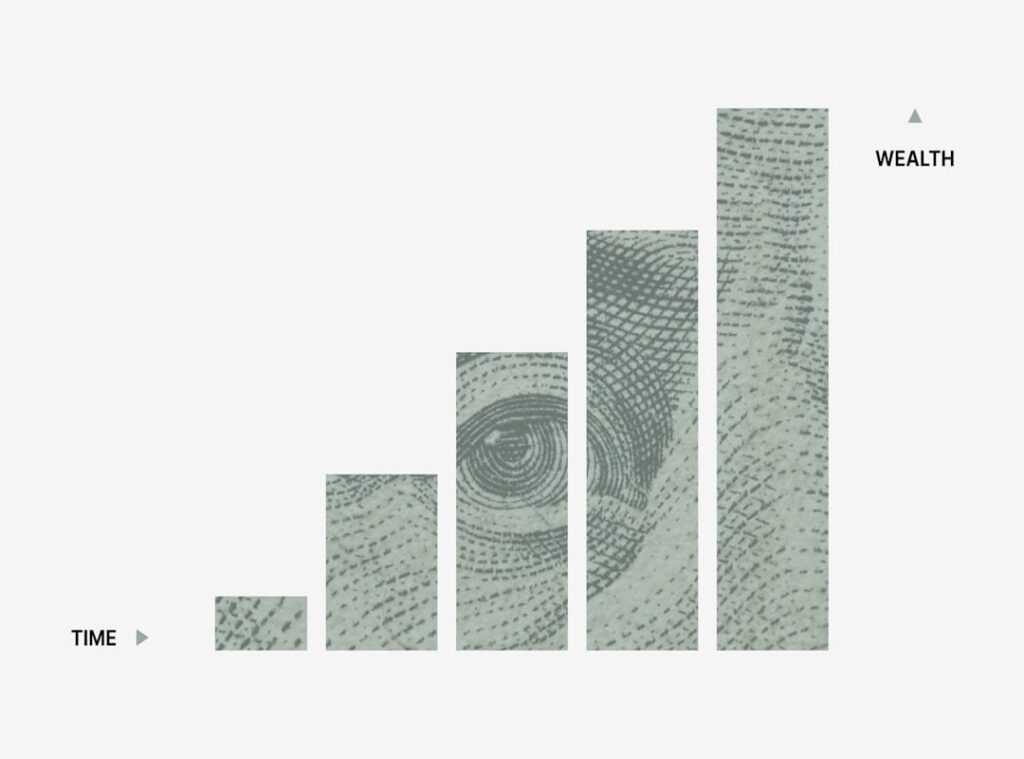
Taxes can eat away at your investment returns. It’s a reality we all hate. But here’s the deal: using tax-fast investments is your ticket to faster wealth growth.
When you understand accounts like the 401k, IRA, HSA, and 529, you step into the driver’s seat of your financial future.
Ready for the next step? Open or contribute to one of these accounts today. It’s not just smart; it’s empowering.
The time to act is now. Don’t let taxes dictate your financial success. Take control.
Start your path to financial freedom with tax-fast strategies today.
 Chief Economic Strategist
Ask Michael Torresidosan how they got into capital flow strategies and you'll probably get a longer answer than you expected. The short version: Michael started doing it, got genuinely hooked, and at some point realized they had accumulated enough hard-won knowledge that it would be a waste not to share it. So they started writing.
What makes Michael worth reading is that they skips the obvious stuff. Nobody needs another surface-level take on Capital Flow Strategies, Wealth Planning Techniques, Expert Tutorials. What readers actually want is the nuance — the part that only becomes clear after you've made a few mistakes and figured out why. That's the territory Michael operates in. The writing is direct, occasionally blunt, and always built around what's actually true rather than what sounds good in an article. They has little patience for filler, which means they's pieces tend to be denser with real information than the average post on the same subject.
Michael doesn't write to impress anyone. They writes because they has things to say that they genuinely thinks people should hear. That motivation — basic as it sounds — produces something noticeably different from content written for clicks or word count. Readers pick up on it. The comments on Michael's work tend to reflect that.