
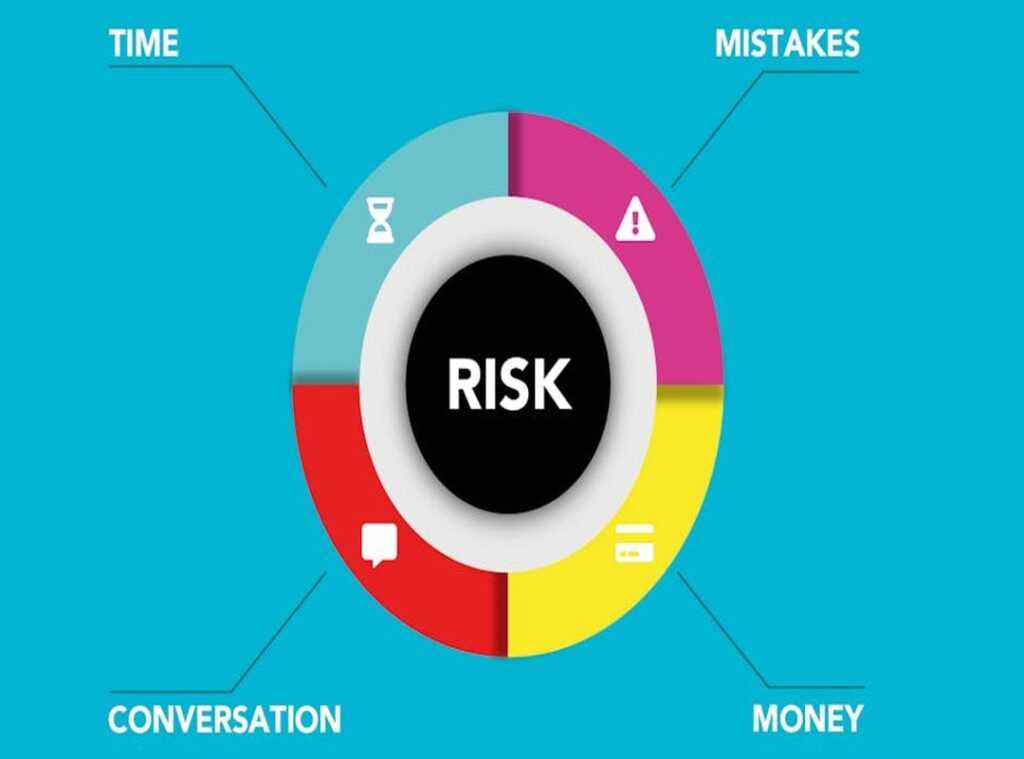
Market swings drive me nuts, and I bet they do the same to you. Watching your hard-earned gains vanish overnight? It’s enough to give anyone heartburn.
The real issue? Many dive into risk management investments blindly, either taking on too much risk or avoiding it altogether, missing out on growth. But here’s the thing.
We’ve done our homework. Our takeaways are built on thorough analysis of economic fundamentals and capital flow strategies. No fluff, no generic advice.
You’ll get a solid playbook to make smart, confident decisions. Ready to tackle risk with a level head?
Redefining Risk: Power Your Portfolio
Risk. It’s a word that makes a lot of people uneasy. But is it really the monster under the bed of investment?
I don’t think so. Let’s flip that narrative. Calculated risk isn’t the villain (it’s) the hero of your portfolio’s growth story. Think of it as turbulence during a flight.
Uncomfortable, sure, but not a crash (that’s real risk).
Volatility is just those temporary price swings. They come and go like seasons. But permanent loss of capital?
That’s what we need to watch like hawks. This is where the concept of a “risk budget” comes into play. How much risk are you really willing to carry on your shoulders?
Your goals, timeline, and financial situation will dictate this.
Here’s an idea: don’t aim to eliminate risk. Instead, aim to understand it. Measure it.
Make sure the rewards are worth it. It’s about risk management investments, not risk avoidance. You might find takeaways in the international capital markets guide helpful for a deeper dive into these strategies.
So, next time you’re calculating your investments, remember: Risk isn’t the enemy. It’s your strategic tool. Use it wisely, and watch your investments grow.
The Cornerstone: Asset Allocation & Diversification
Asset allocation is the single most important decision for managing long-term risk. Think of it like building a house. You wouldn’t start with the roof, right?
The foundation is key. This is where strategic asset allocation comes in.
Forget the tired cliché about eggs and baskets. Let’s talk about diversification on three levels. First, asset classes: stocks, bonds, real estate.
Each reacts differently to economic shifts. Stocks might soar when bonds lag. Second, geography: domestic vs. international.
Ever noticed how markets don’t always sync globally? Third, industries: tech, healthcare, consumer staples. Different economic cycles affect them in unique ways.
Now, let’s look at a balanced portfolio. A classic 60/40 stock/bond split. Why does it work?
Simple. Stocks offer growth, bonds provide stability. During economic booms, stocks can skyrocket.
In downturns, bonds soften the blow. This balance helps manage risk. It’s like having a safety net and a trampoline.
The Power of Rebalancing
Rebalancing is key. It’s about selling high-performing assets and buying low-performing ones. Sounds counterintuitive?
It’s not. This practice enforces a “buy low, sell high” discipline. You’re not just sitting back, hoping for the best.
You’re actively managing risk.
Imagine your portfolio as a garden. Some plants (assets) grow faster than others. If left unchecked, they overshadow everything else.
Rebalancing trims back the overgrown and nurtures the underperforming. It maintains harmony.
Risk management investments aren’t about avoiding risk altogether. They’re about understanding and managing it. By diversifying across asset classes, geography, and industries, you’re building a strong foundation.
And with rebalancing, you’re ensuring your investment house stands firm, even in stormy weather.
So, next time you think about your portfolio, remember: it’s not just about picking winners. It’s about creating a resilient structure that weathers economic storms. That’s the real power of strategic asset allocation and diversification.
Portfolio Armor: Hedging and Alternative Investments
When it comes to hedging, think of it as portfolio insurance. Do you ever wonder how to sleep better at night knowing your investments are a bit safer? Hedging is about taking a position expected to move opposite to another part of your portfolio.
It’s like having a backup plan. You know, in case the market decides to throw a tantrum.
Let’s make this real. Picture gold investments during high inflation. They often shine (pun intended) when the dollar loses value.
Or consider inverse ETFs, but tread carefully. They’re not for the faint of heart or beginner investors.
What about Alternative Investments? I mean, who doesn’t want assets that dance to their own tune, away from the public stock and bond markets? Private equity, REITs, or infrastructure funds.
These might be less flashy but can reduce correlation and risk. Not everyone needs them, but those who do can find them solid tools for uncertainty.
Speaking of risk, we can’t ignore how these investments fit into broader strategies. If you’re aiming for maximizing returns effective diversification, they might come in handy. But not everyone will want or need these.
And that’s okay.
Does all this make your head spin? You’re not alone. That’s the world of risk management investments for you.
Dive into it with your eyes wide open. Remember, it’s not about catching them all. It’s about having the right mix that lets you sleep at night.
Stay Ahead with Data: Economic Takeaways for the Win
Let’s face it. Relying on headlines or gut feelings for risk management investments is like driving blindfolded. Data is the real deal.

You’ve got to track key economic indicators to move from reactive to proactive. Interest rate changes? Think of them as the “cost of money.” Inflation is just purchasing power risk.
And GDP growth? That’s the health check for the economy.
Ever heard of capital flows? It’s a fancy term for where big money is heading. Following these flows can give you a heads-up on market sentiment and future trends.
It’s like having a crystal ball, but without the hocus pocus. Modern tools, especially on-chain economic models for digital assets, add a new layer of transparency. They’re game changers for assessing risks in emerging markets.
Here’s a pro tip. Don’t ignore these tools. They offer new data points that can boost your plan.
It’s like getting insider info, only legal and ethical. If you’re wondering what is risk management in finance, it’s all about understanding and mitigating these risks using reliable data.
Bold claim here: Data-driven decisions beat emotional ones every time. Sure, emotions can guide us, but data keeps us grounded. It’s key for anyone serious about risk management investments. So, dive into the numbers.
Track those indicators. Follow the capital flows. Use modern tools.
It’s not just smart (it’s) necessary. Why risk it when the data’s right there, begging to be used?
The Biggest Risk of All: Mastering Your Investment Psychology
The biggest threat to your investments? You. Fear and greed are your worst enemies.
It’s like having a map when you’re lost. Another tip? Use dollar-cost averaging.
Panic-selling when the market dips and FOMO-buying at peaks can destroy portfolios. So how do you combat these emotions? Simple. Create a written Investment Policy Statement.
Automate your buying process. This removes emotion and helps with risk management investments. Think of it like setting your cruise control to avoid speeding (or panicking).
These are practical steps you can take now. Don’t let fear and greed win.
Take Charge of Your Money
Feeling lost in chaotic markets? I get it. But here’s the truth: effective risk management investments are ongoing, not a one-time fix.
Diversification, data, and discipline are your allies. Start today. Review your portfolio.
Is it really aligned with your risk tolerance? Take control. Make your money work for you.
 Chief Economic Strategist
Ask Michael Torresidosan how they got into capital flow strategies and you'll probably get a longer answer than you expected. The short version: Michael started doing it, got genuinely hooked, and at some point realized they had accumulated enough hard-won knowledge that it would be a waste not to share it. So they started writing.
What makes Michael worth reading is that they skips the obvious stuff. Nobody needs another surface-level take on Capital Flow Strategies, Wealth Planning Techniques, Expert Tutorials. What readers actually want is the nuance — the part that only becomes clear after you've made a few mistakes and figured out why. That's the territory Michael operates in. The writing is direct, occasionally blunt, and always built around what's actually true rather than what sounds good in an article. They has little patience for filler, which means they's pieces tend to be denser with real information than the average post on the same subject.
Michael doesn't write to impress anyone. They writes because they has things to say that they genuinely thinks people should hear. That motivation — basic as it sounds — produces something noticeably different from content written for clicks or word count. Readers pick up on it. The comments on Michael's work tend to reflect that.
Chief Economic Strategist
Ask Michael Torresidosan how they got into capital flow strategies and you'll probably get a longer answer than you expected. The short version: Michael started doing it, got genuinely hooked, and at some point realized they had accumulated enough hard-won knowledge that it would be a waste not to share it. So they started writing.
What makes Michael worth reading is that they skips the obvious stuff. Nobody needs another surface-level take on Capital Flow Strategies, Wealth Planning Techniques, Expert Tutorials. What readers actually want is the nuance — the part that only becomes clear after you've made a few mistakes and figured out why. That's the territory Michael operates in. The writing is direct, occasionally blunt, and always built around what's actually true rather than what sounds good in an article. They has little patience for filler, which means they's pieces tend to be denser with real information than the average post on the same subject.
Michael doesn't write to impress anyone. They writes because they has things to say that they genuinely thinks people should hear. That motivation — basic as it sounds — produces something noticeably different from content written for clicks or word count. Readers pick up on it. The comments on Michael's work tend to reflect that.